

Mayan Huun Paper
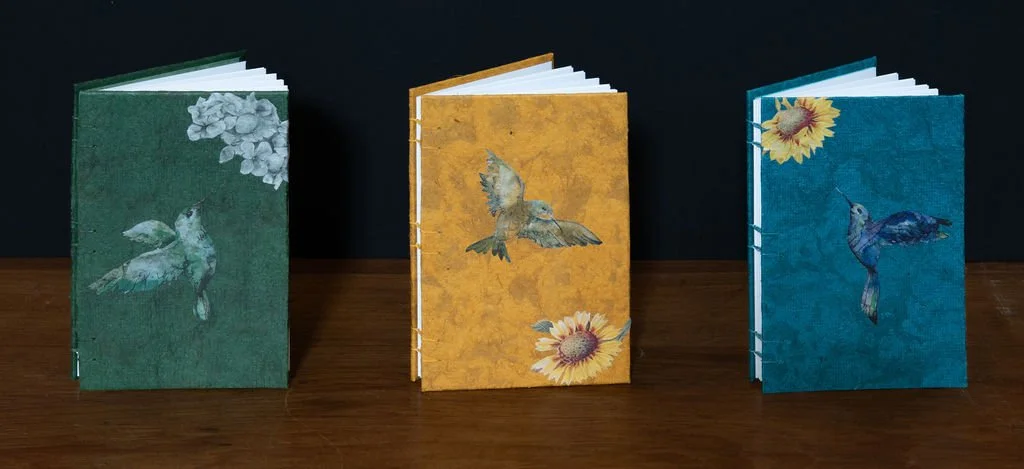

New and Ancient!
Paper-making played an integral role in the advancement of the ancient Mayan civilization. This ancient practice disappeared until 1985.
Today, Maya-Yucatec artisans combine ancient Japanese and ancient Mayan techniques to make this Huun paper, and adapt those techniques to a renewable plant source.
Huun paper comes from the Sansevieria (Mother-in-law’s Tongue) and Cattail plants, both renewable sources.
Huun paper is relatively new in today’s paper world. Its production strives to preserve the indigenous art of paper-making and contributes to sustainable local communities in the Yucatan.

Shop Journals

6 × 9”
4 × 7”
The Journal Cover is created with Mayan Huun paper from the Yucatan Peninsula in Mexico.
Paper-making played an integral role in the advancement of the ancient Mayan civilization. This ancient practice disappeared completely in the Yucatan until 1985. Today, this paper is made by Maya-Yucatec artisans who combine ancient Japanese and ancient Mayan techniques, adapting them to a renewable plant source.
Modern day Huun paper comes from the Sansevieria (Mother-in-law’s Tongue) and Cattail, both renewable sources whose use does no damage to the environment. Its production strives to preserve the indigenous art of paper-making and contributes to sustainable local communities in the Yucatan.
Crush paper pages are slightly textured and off-white, and are made with by-products that would normally head for the landfill, i.e. citrus fruits, corn, olives, coffee, etc. along with 30% post-consumer recycled waste. The paper is made using 100% green energy, and the company claims to reduce the carbon footprint by 20%.

6 × 9”
4 × 7”
The Journal Cover is created with Mayan Huun paper from the Yucatan Peninsula in Mexico.
Paper-making played an integral role in the advancement of the ancient Mayan civilization. This ancient practice disappeared completely in the Yucatan until 1985. Today, this paper is made by Maya-Yucatec artisans who combine ancient Japanese and ancient Mayan techniques, adapting them to a renewable plant source.
Modern day Huun paper comes from the Sansevieria (Mother-in-law’s Tongue) and Cattail, both renewable sources whose use does no damage to the environment. Its production strives to preserve the indigenous art of paper-making and contributes to sustainable local communities in the Yucatan.
Crush paper pages are slightly textured and off-white, and are made with by-products that would normally head for the landfill, i.e. citrus fruits, corn, olives, coffee, etc. along with 30% post-consumer recycled waste. The paper is made using 100% green energy, and the company claims to reduce the carbon footprint by 20%.

6 × 9”
4 × 7”
The Journal Cover is created with Mayan Huun paper from the Yucatan Peninsula in Mexico.
Paper-making played an integral role in the advancement of the ancient Mayan civilization. This ancient practice disappeared completely in the Yucatan until 1985. Today, this paper is made by Maya-Yucatec artisans who combine ancient Japanese and ancient Mayan techniques, adapting them to a renewable plant source.
Modern day Huun paper comes from the Sansevieria (Mother-in-law’s Tongue) and Cattail, both renewable sources whose use does no damage to the environment. Its production strives to preserve the indigenous art of paper-making and contributes to sustainable local communities in the Yucatan.
Crush paper pages are slightly textured and off-white, and are made with by-products that would normally head for the landfill, i.e. citrus fruits, corn, olives, coffee, etc. along with 30% post-consumer recycled waste. The paper is made using 100% green energy, and the company claims to reduce the carbon footprint by 20%.

6 × 9”
4 × 7”
The Journal Cover is created with Mayan Huun paper from the Yucatan Peninsula in Mexico.
Paper-making played an integral role in the advancement of the ancient Mayan civilization. This ancient practice disappeared completely in the Yucatan until 1985. Today, this paper is made by Maya-Yucatec artisans who combine ancient Japanese and ancient Mayan techniques, adapting them to a renewable plant source.
Modern day Huun paper comes from the Sansevieria (Mother-in-law’s Tongue) and Cattail, both renewable sources whose use does no damage to the environment. Its production strives to preserve the indigenous art of paper-making and contributes to sustainable local communities in the Yucatan.
Crush paper pages are slightly textured and off-white, and are made with by-products that would normally head for the landfill, i.e. citrus fruits, corn, olives, coffee, etc. along with 30% post-consumer recycled waste. The paper is made using 100% green energy, and the company claims to reduce the carbon footprint by 20%.

6 × 9”
4 × 7”
The Journal Cover is created with Mayan Huun paper from the Yucatan Peninsula in Mexico.
Paper-making played an integral role in the advancement of the ancient Mayan civilization. This ancient practice disappeared completely in the Yucatan until 1985. Today, this paper is made by Maya-Yucatec artisans who combine ancient Japanese and ancient Mayan techniques, adapting them to a renewable plant source.
Modern day Huun paper comes from the Sansevieria (Mother-in-law’s Tongue) and Cattail, both renewable sources whose use does no damage to the environment. Its production strives to preserve the indigenous art of paper-making and contributes to sustainable local communities in the Yucatan.
Crush paper pages are slightly textured and off-white, and are made with by-products that would normally head for the landfill, i.e. citrus fruits, corn, olives, coffee, etc. along with 30% post-consumer recycled waste. The paper is made using 100% green energy, and the company claims to reduce the carbon footprint by 20%.

6 × 9”
4 × 7”
The Journal Cover is created with Mayan Huun paper from the Yucatan Peninsula in Mexico.
Paper-making played an integral role in the advancement of the ancient Mayan civilization. This ancient practice disappeared completely in the Yucatan until 1985. Today, this paper is made by Maya-Yucatec artisans who combine ancient Japanese and ancient Mayan techniques, adapting them to a renewable plant source.
Modern day Huun paper comes from the Sansevieria (Mother-in-law’s Tongue) and Cattail, both renewable sources whose use does no damage to the environment. Its production strives to preserve the indigenous art of paper-making and contributes to sustainable local communities in the Yucatan.
Crush paper pages are slightly textured and off-white, and are made with by-products that would normally head for the landfill, i.e. citrus fruits, corn, olives, coffee, etc. along with 30% post-consumer recycled waste. The paper is made using 100% green energy, and the company claims to reduce the carbon footprint by 20%.

6 × 9”
4 × 7”
The Journal Cover is created with Mayan Huun paper from the Yucatan Peninsula in Mexico.
Paper-making played an integral role in the advancement of the ancient Mayan civilization. This ancient practice disappeared completely in the Yucatan until 1985. Today, this paper is made by Maya-Yucatec artisans who combine ancient Japanese and ancient Mayan techniques, adapting them to a renewable plant source.
Modern day Huun paper comes from the Sansevieria (Mother-in-law’s Tongue) and Cattail, both renewable sources whose use does no damage to the environment. Its production strives to preserve the indigenous art of paper-making and contributes to sustainable local communities in the Yucatan.
Crush paper pages are slightly textured and off-white, and are made with by-products that would normally head for the landfill, i.e. citrus fruits, corn, olives, coffee, etc. along with 30% post-consumer recycled waste. The paper is made using 100% green energy, and the company claims to reduce the carbon footprint by 20%.

6 × 9”
4 × 7”
The Journal Cover is created with Mayan Huun paper from the Yucatan Peninsula in Mexico.
Paper-making played an integral role in the advancement of the ancient Mayan civilization. This ancient practice disappeared completely in the Yucatan until 1985. Today, this paper is made by Maya-Yucatec artisans who combine ancient Japanese and ancient Mayan techniques, adapting them to a renewable plant source.
Modern day Huun paper comes from the Sansevieria (Mother-in-law’s Tongue) and Cattail, both renewable sources whose use does no damage to the environment. Its production strives to preserve the indigenous art of paper-making and contributes to sustainable local communities in the Yucatan.
Crush paper pages are slightly textured and off-white, and are made with by-products that would normally head for the landfill, i.e. citrus fruits, corn, olives, coffee, etc. along with 30% post-consumer recycled waste. The paper is made using 100% green energy, and the company claims to reduce the carbon footprint by 20%.

6 × 9”
4 × 7”
The Journal Cover is created with Mayan Huun paper from the Yucatan Peninsula in Mexico.
Paper-making played an integral role in the advancement of the ancient Mayan civilization. This ancient practice disappeared completely in the Yucatan until 1985. Today, this paper is made by Maya-Yucatec artisans who combine ancient Japanese and ancient Mayan techniques, adapting them to a renewable plant source.
Modern day Huun paper comes from the Sansevieria (Mother-in-law’s Tongue) and Cattail, both renewable sources whose use does no damage to the environment. Its production strives to preserve the indigenous art of paper-making and contributes to sustainable local communities in the Yucatan.
Crush paper pages are slightly textured and off-white, and are made with by-products that would normally head for the landfill, i.e. citrus fruits, corn, olives, coffee, etc. along with 30% post-consumer recycled waste. The paper is made using 100% green energy, and the company claims to reduce the carbon footprint by 20%.
6 × 9”
4 × 7”
The Journal Cover is created with Mayan Huun paper from the Yucatan Peninsula in Mexico.
Paper-making played an integral role in the advancement of the ancient Mayan civilization. This ancient practice disappeared completely in the Yucatan until 1985. Today, this paper is made by Maya-Yucatec artisans who combine ancient Japanese and ancient Mayan techniques, adapting them to a renewable plant source.
Modern day Huun paper comes from the Sansevieria (Mother-in-law’s Tongue) and Cattail, both renewable sources whose use does no damage to the environment. Its production strives to preserve the indigenous art of paper-making and contributes to sustainable local communities in the Yucatan.
Crush paper pages are slightly textured and off-white, and are made with by-products that would normally head for the landfill, i.e. citrus fruits, corn, olives, coffee, etc. along with 30% post-consumer recycled waste. The paper is made using 100% green energy, and the company claims to reduce the carbon footprint by 20%.

6 × 9”
4 × 7”
The Journal Cover is created with Mayan Huun paper from the Yucatan Peninsula in Mexico.
Paper-making played an integral role in the advancement of the ancient Mayan civilization. This ancient practice disappeared completely in the Yucatan until 1985. Today, this paper is made by Maya-Yucatec artisans who combine ancient Japanese and ancient Mayan techniques, adapting them to a renewable plant source.
Modern day Huun paper comes from the Sansevieria (Mother-in-law’s Tongue) and Cattail, both renewable sources whose use does no damage to the environment. Its production strives to preserve the indigenous art of paper-making and contributes to sustainable local communities in the Yucatan.
Crush paper pages are slightly textured and off-white, and are made with by-products that would normally head for the landfill, i.e. citrus fruits, corn, olives, coffee, etc. along with 30% post-consumer recycled waste. The paper is made using 100% green energy, and the company claims to reduce the carbon footprint by 20%.

6 × 9”
4 × 7”
The Journal Cover is created with Mayan Huun paper from the Yucatan Peninsula in Mexico.
Paper-making played an integral role in the advancement of the ancient Mayan civilization. This ancient practice disappeared completely in the Yucatan until 1985. Today, this paper is made by Maya-Yucatec artisans who combine ancient Japanese and ancient Mayan techniques, adapting them to a renewable plant source.
Modern day Huun paper comes from the Sansevieria (Mother-in-law’s Tongue) and Cattail, both renewable sources whose use does no damage to the environment. Its production strives to preserve the indigenous art of paper-making and contributes to sustainable local communities in the Yucatan.
Crush paper pages are slightly textured and off-white, and are made with by-products that would normally head for the landfill, i.e. citrus fruits, corn, olives, coffee, etc. along with 30% post-consumer recycled waste. The paper is made using 100% green energy, and the company claims to reduce the carbon footprint by 20%.

6 × 9”
4 × 7”
The Journal Cover is created with Mayan Huun paper from the Yucatan Peninsula in Mexico.
Paper-making played an integral role in the advancement of the ancient Mayan civilization. This ancient practice disappeared completely in the Yucatan until 1985. Today, this paper is made by Maya-Yucatec artisans who combine ancient Japanese and ancient Mayan techniques, adapting them to a renewable plant source.
Modern day Huun paper comes from the Sansevieria (Mother-in-law’s Tongue) and Cattail, both renewable sources whose use does no damage to the environment. Its production strives to preserve the indigenous art of paper-making and contributes to sustainable local communities in the Yucatan.
Crush paper pages are slightly textured and off-white, and are made with by-products that would normally head for the landfill, i.e. citrus fruits, corn, olives, coffee, etc. along with 30% post-consumer recycled waste. The paper is made using 100% green energy, and the company claims to reduce the carbon footprint by 20%.
6 × 9”
4 × 7”
The Journal Cover is created with Mayan Huun paper from the Yucatan Peninsula in Mexico.
Paper-making played an integral role in the advancement of the ancient Mayan civilization. This ancient practice disappeared completely in the Yucatan until 1985. Today, this paper is made by Maya-Yucatec artisans who combine ancient Japanese and ancient Mayan techniques, adapting them to a renewable plant source.
Modern day Huun paper comes from the Sansevieria (Mother-in-law’s Tongue) and Cattail, both renewable sources whose use does no damage to the environment. Its production strives to preserve the indigenous art of paper-making and contributes to sustainable local communities in the Yucatan.
Crush paper pages are slightly textured and off-white, and are made with by-products that would normally head for the landfill, i.e. citrus fruits, corn, olives, coffee, etc. along with 30% post-consumer recycled waste. The paper is made using 100% green energy, and the company claims to reduce the carbon footprint by 20%.

6 × 9”
4 × 7”
The Journal Cover is created with Mayan Huun paper from the Yucatan Peninsula in Mexico.
Paper-making played an integral role in the advancement of the ancient Mayan civilization. This ancient practice disappeared completely in the Yucatan until 1985. Today, this paper is made by Maya-Yucatec artisans who combine ancient Japanese and ancient Mayan techniques, adapting them to a renewable plant source.
Modern day Huun paper comes from the Sansevieria (Mother-in-law’s Tongue) and Cattail, both renewable sources whose use does no damage to the environment. Its production strives to preserve the indigenous art of paper-making and contributes to sustainable local communities in the Yucatan.
Crush paper pages are slightly textured and off-white, and are made with by-products that would normally head for the landfill, i.e. citrus fruits, corn, olives, coffee, etc. along with 30% post-consumer recycled waste. The paper is made using 100% green energy, and the company claims to reduce the carbon footprint by 20%.
Wholesale & Workshop Inquiries
For more information about a wholesale order or if you would like to collaborate to create a custom workshop designed to meet the specific needs of your group, fill out the form below or contact Mary Ann at 720-485-1431.
6 × 9”
4 × 7”
The Journal Cover is created with Mayan Huun paper from the Yucatan Peninsula in Mexico.
Paper-making played an integral role in the advancement of the ancient Mayan civilization. This ancient practice disappeared completely in the Yucatan until 1985. Today, this paper is made by Maya-Yucatec artisans who combine ancient Japanese and ancient Mayan techniques, adapting them to a renewable plant source.
Modern day Huun paper comes from the Sansevieria (Mother-in-law’s Tongue) and Cattail, both renewable sources whose use does no damage to the environment. Its production strives to preserve the indigenous art of paper-making and contributes to sustainable local communities in the Yucatan.
Crush paper pages are slightly textured and off-white, and are made with by-products that would normally head for the landfill, i.e. citrus fruits, corn, olives, coffee, etc. along with 30% post-consumer recycled waste. The paper is made using 100% green energy, and the company claims to reduce the carbon footprint by 20%.