

Guided Autobiography

Everyone has a story worth telling
Each of us carries a lifetime of experiences that have shaped who we are. We have all experienced joy and sorrow, challenge and triumph, grief and loss, all as part of our shared human experience.
Guided Autobiography offers a meaningful opportunity to honor our life experiences, discover meaning in our lives, and connect with others through the stories we share. You don't need to be a writer to participate, and the goal is not to write a polished memoir. What matters is a willingness to reflect on your life, put some of your experiences into words, and share your stories with others.


What Is Guided Autobiography?
Guided Autobiography (GAB) is a method of life story writing developed in the 1970s by gerontologist Dr. James Birren, a pioneer in the field of aging. The GAB process invites participants to explore their lives through universal themes such as family, branching points, life work, money, health and body, spiritual values, goals and aspirations, and much more.
Each theme provides an opportunity to reflect, write a short personal story, and share it with a small group of fellow participants. The heart of Guided Autobiography lies not only in remembering and writing our stories, but also in sharing them and listening to the experiences of others. Through this process, participants often gain new insights and perspectives, discover the common threads of our humanity, and develop meaningful connections with others

The Guided Autobiography Experience
Illustrated image created by AI
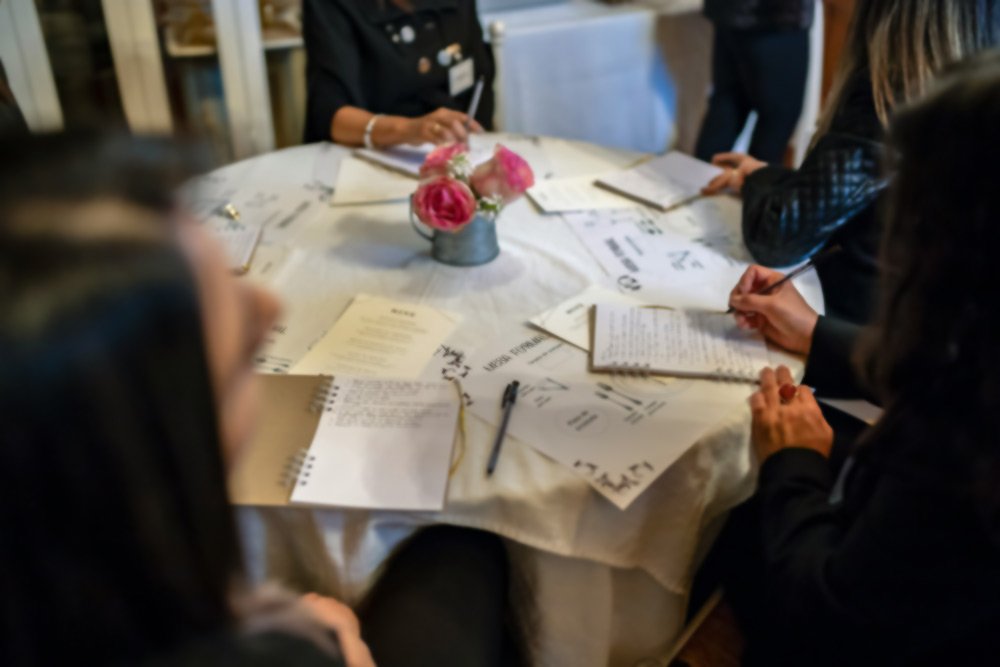
The typical Guided Autobiography program consists of ten weekly, two-hour sessions, and this format is adaptable. Unlike traditional autobiography, which often follows a chronological account of one's life, Guided Autobiography explores life experiences through meaningful themes.
Each week is organized around a particular theme. Sensitizing questions help stimulate memories and encourage reflection. Participants are then be asked to write two pages of their life story related to that theme.
The following week, participants will share their writing in a small group of no more than six people, and they are invited to share only what feels comfortable for them to share. Participants are encouraged to listen to others with openness, compassion, and respect. Group feedback is only supportive, encouraging, and positive.
The telling of one's life story and the listening to the life stories of others is the critical component of Guided Autobiography.

The Value of Sharing Our Stories
Storytelling as been an integral part of humankind's experience, beginning with ancient man carving petroglyphs into rocks, to indigenous peoples sharing oral traditions around a fire, to the advent of the written word. Stories can be told through many media–song, dance, art, film, writing.
Guided Autobiography creates a welcoming space where stories are heard, honored, and appreciated. Storytelling helps to build connection and community.
This process can bring a deeper appreciation for personal strengths, accomplishments, and wisdom gained through experience. We can reflect on our past with greater self-acceptance and come to understand the meaning of our life's journey.
We can also develop greater awareness, understanding, and empathy for the different life journey of others.
The GAB process encourages mental engagement and stimulation by recalling memories, reflecting, writing, and engaging in meaningful conversation.

Bring Guided Autobiography to Your Community
Guided Autobiography offers senior living communities, wellness organizations, and community groups an opportunity to provide a meaningful program centered on life reflection, storytelling, and connection.
Through a series of facilitated small-group sessions, participants explore important life themes, write their personal stories between meetings, and share them with others in a supportive and respectful environment.
The ongoing nature of the program allows participants to become acquainted, develop trust, and build meaningful connections as they listen to and learn from one another.
Programs can be planned in collaboration with each organization, taking into consideration the interests, needs, and abilities of participants.
I welcome the opportunity to learn about your community, understand the people you serve, and explore whether Guided Autobiography would be a meaningful addition to your existing programs.